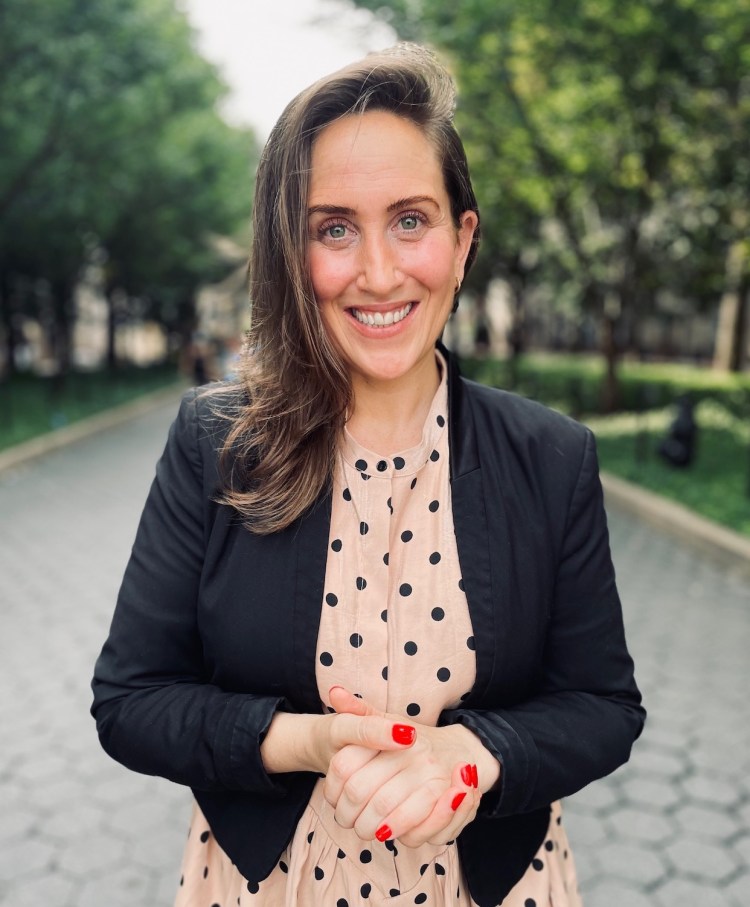
I am a socio-cultural and legal anthropologist interested in the history of international law, human rights, redress and climate justice, focusing on the Anglophone Caribbean and Scandinavia. I teach and write about colonial governance, policy-making, and international organizations.
I am currently a postdoc at the Center of Applied Ecological Thinking at the University of Copenhagen. During my doctoral program, I completed an internship with the UN OHCHR in Geneva, Switzerland, and have been a Digital Editorial Fellow with PoLAR: Political and Legal Anthropology Review, assistant editor to Small Axe Project: A Caribbean Platform for Criticism, and guest editor with the Danish journal Tidsskriftet Antropologi. I have also been selected for a number of appointments at Columbia’s Center for Teaching and Learning including Teaching Consultant and Teaching Observation Fellow. My work has won awards from the National Science Foundation, the Wenner-Gren Foundation, the American-Scandinavian Foundation, and the Institute for the Study of Human Rights at Columbia University, among others. Most recently, my research and writing won the Roseberry-Nash Paper Award from the Society of Latin American and Caribbean Anthropology and received an honorary mention from the Association of Political and Legal Anthropology. I peer-review for the Nordic Journal of Human Rights, and I serve as an external examiner in anthropology from 2022-2026 in Denmark. I have PhD in Anthropology and a certificate with the Institute for the Study of Human Rights at Columbia University.
ABOUT ME
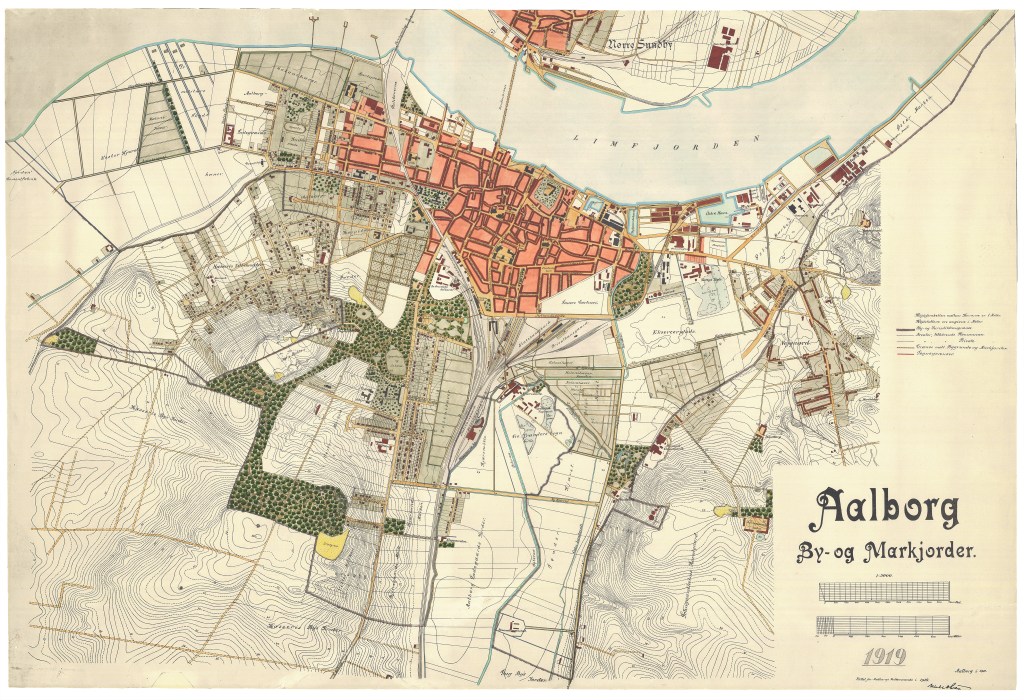
I was born and raised in the post-industrial, predominantly white, working-class city of Aalborg in Northern Denmark in the 1980s during a time in which Scandinavia’s political commitment to international human rights was steadily growing. The region’s involvement in humanitarianism and its aid-oriented self-image was formative to my public school education and world view in both generative and limiting ways. It later led me to pursue language school and volunteering opportunities in Central America, namely the Caribbean coast of Honduras. The Bay Islands, in particular, are inhabited by descendants of British and Dutch colonizers, first-generation Global North settlers, descendants of self-emancipated enslaved persons, Garífuna communities, Indigenous communities, and mestizos. This geo-political area introduced me to the racialized structures of wealth and ownership produced by histories of colonialism and slavery in the Americas. My background and schooling has shaped my scholarly interest in critical histories of colonialism in the Caribbean and Scandinavian humanitarianism today. The morally ambiguous “need to help” (Malkki 2015) in the Nordics and the simultaneous imperative of redress creates a paradox that I feel compelled to both explore and critique in my academic research.
 Anna Kirstine Schirrer